
Today we discuss Leaf mehandi designs that have become a classic phenomenon. In henna art that attracts people by its natural beauty and exquisite designs. These themes are inspired by the beauty of vegetation, which is the symbol of growth, prosperity, and harmony.
You are planning a wedding, festival, or just want to decorate your hands with the touch of nature; leaf motifs provide unlimited creative opportunities. In this article, the authors examine different details on leaf pattern mehandi, appearing patterns that combine the traditional with the modern style.
Learn to use these artistic appearances to make various events look better, improve your image, and be memorable. Plunge into this manual and leave the charisma of nature to come through your next henna application!

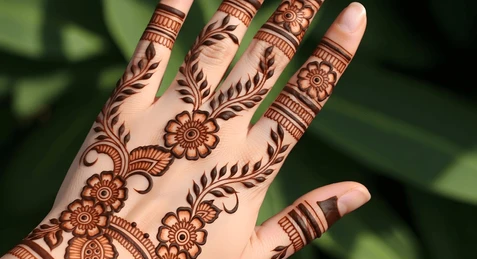

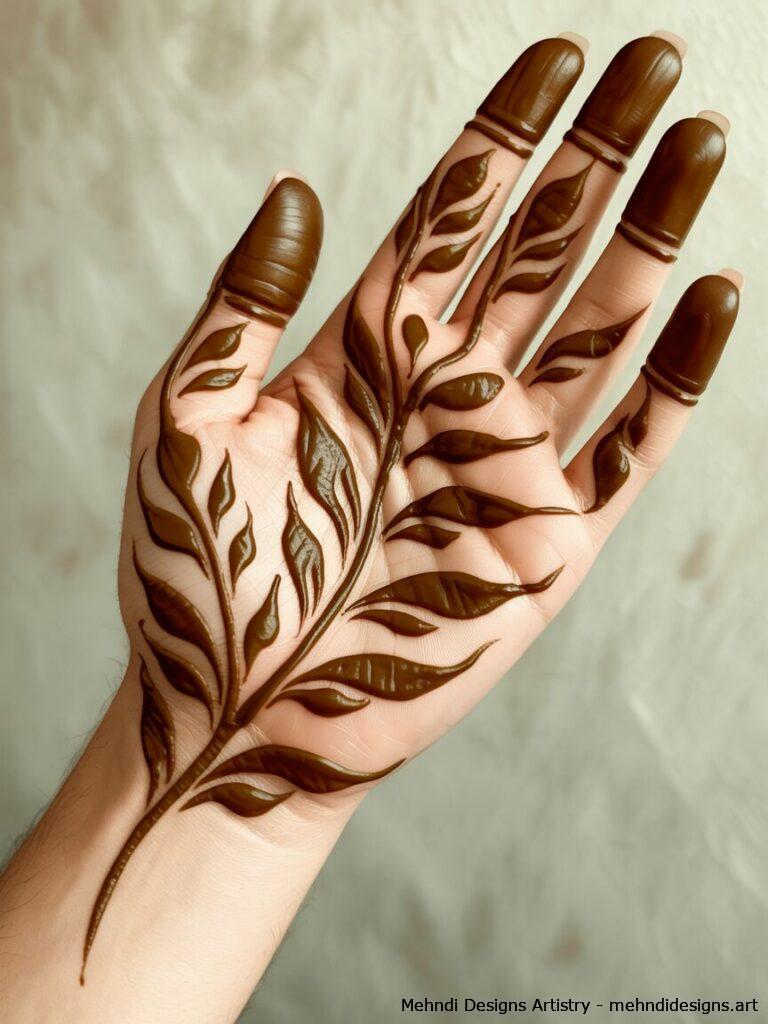
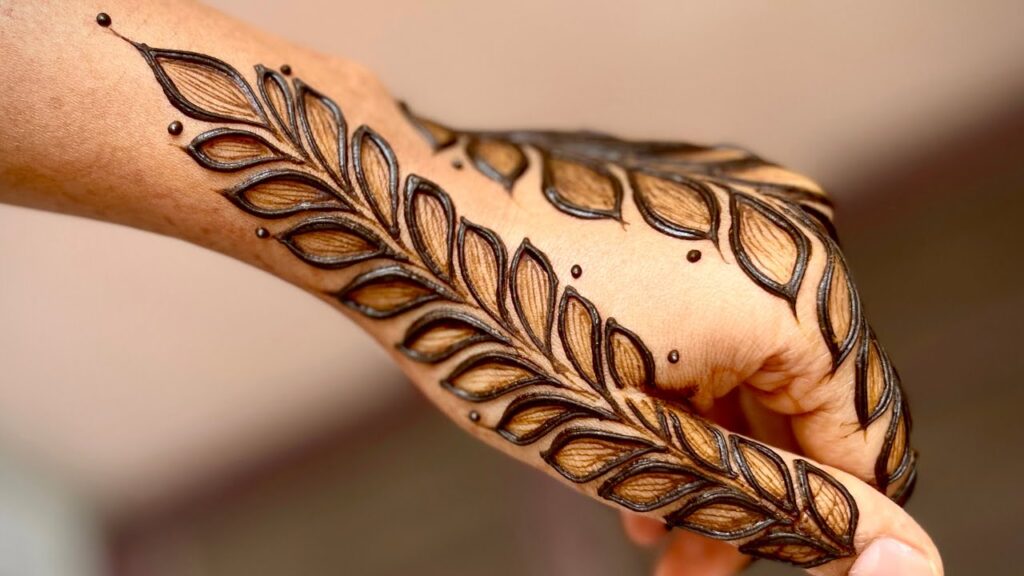
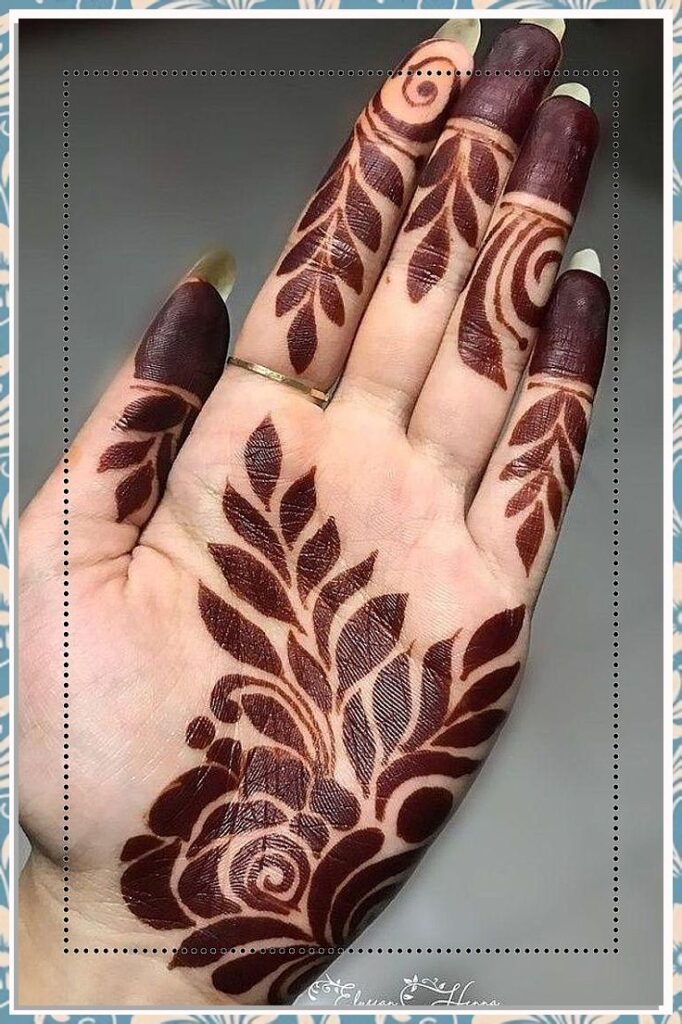
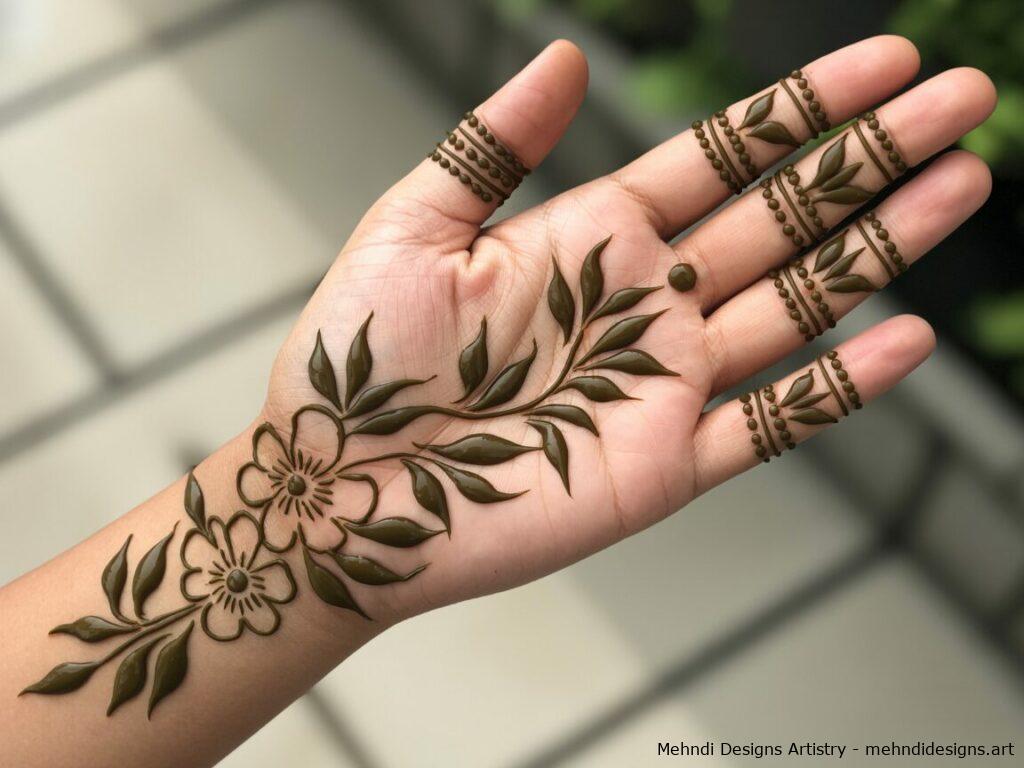
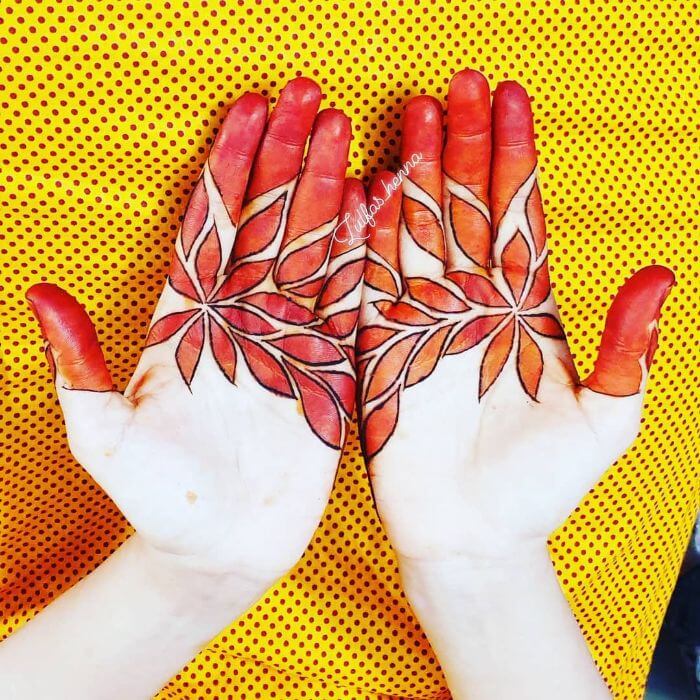
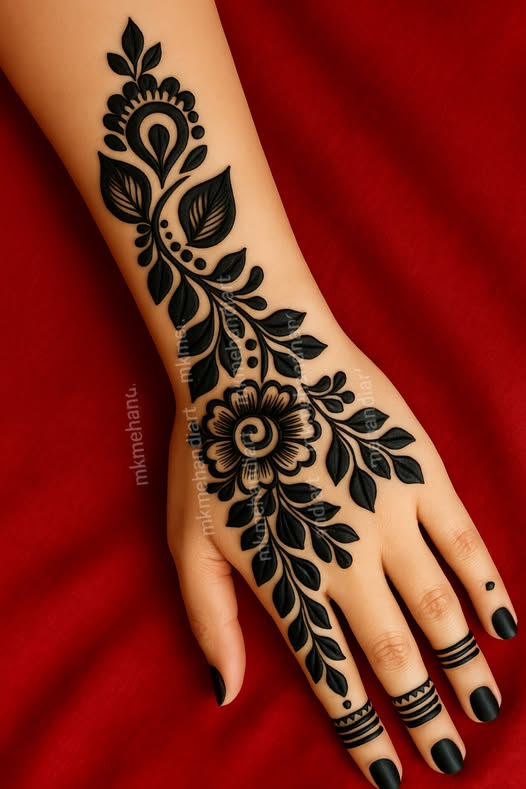
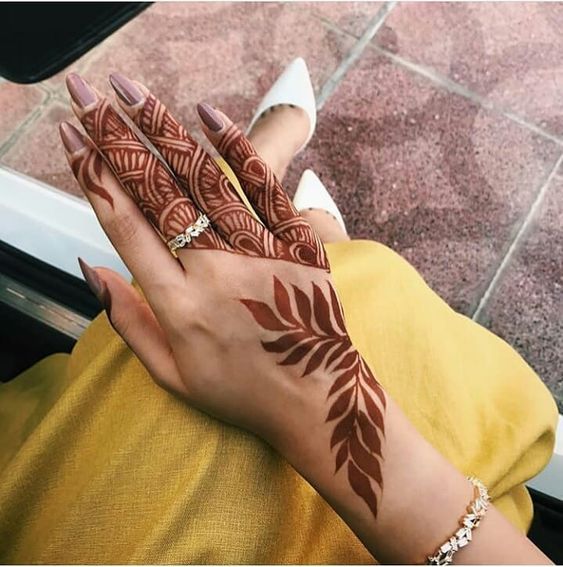

What will we call Leaf Mehandi Designs?
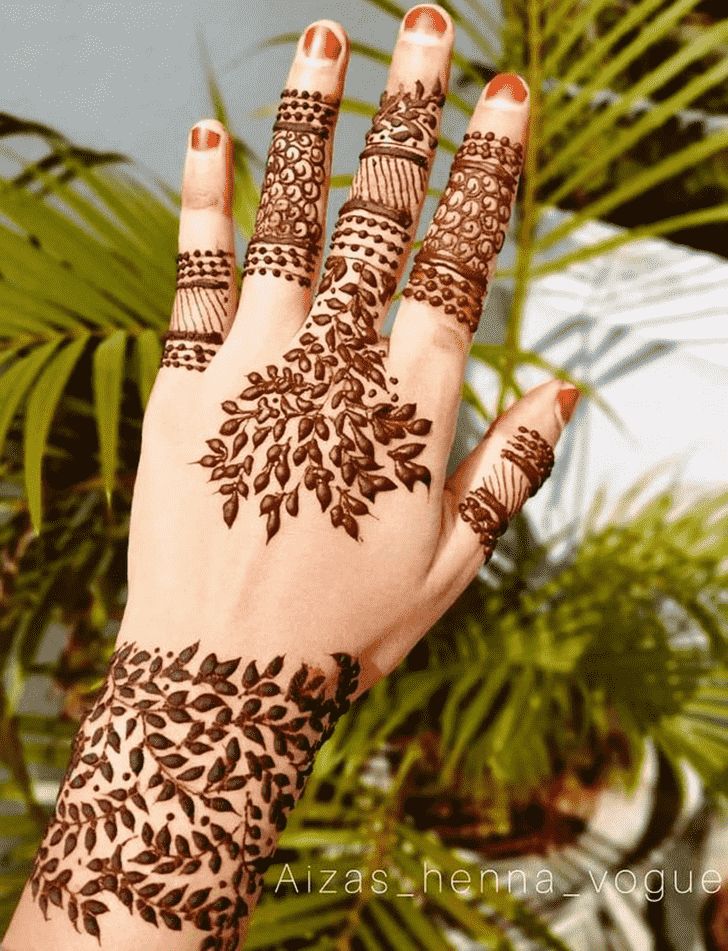
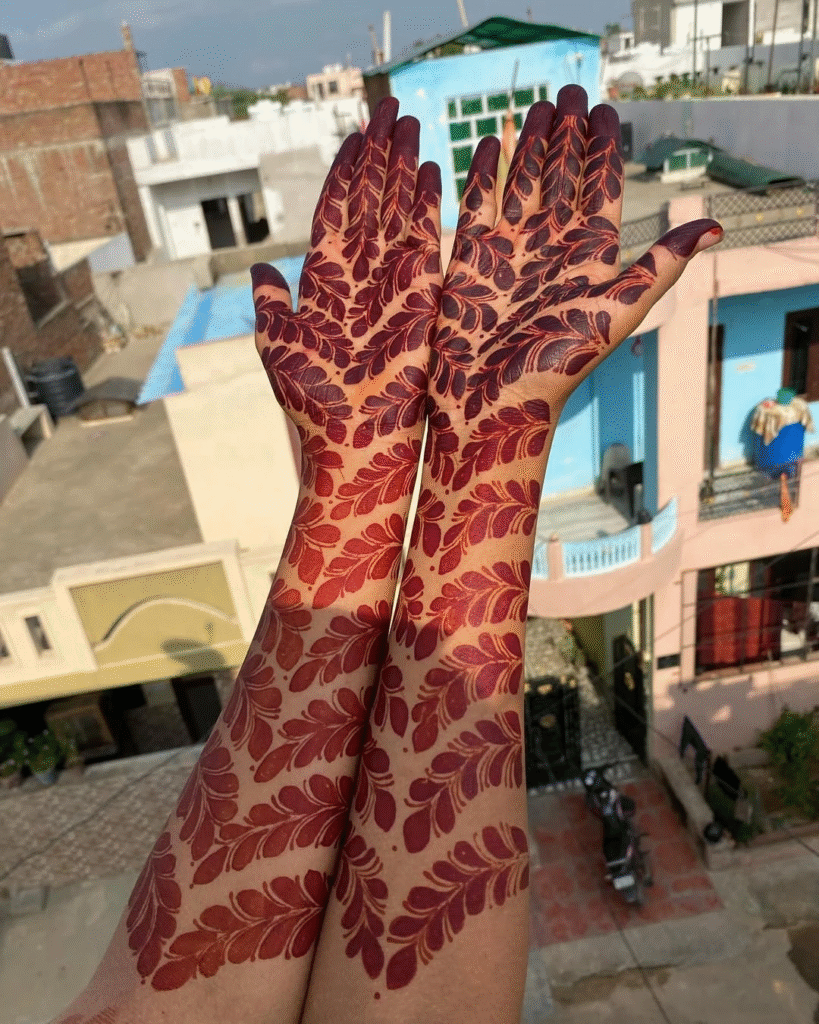
Leaf mehandi designs entail special henna designs, which are leaf shaped, vine shaped and botanical designs. Such patterns may be simple lines or very elaborate designs that might be covering hands, arms, or feet.
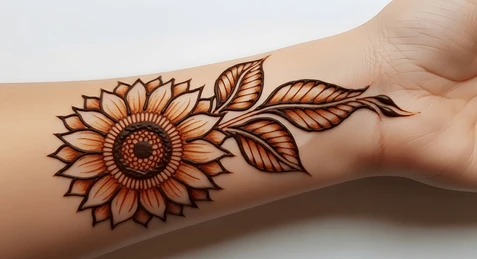
These shapes resemble organic and fresh design, as they imitate the peculiar form of leaves. They usually go together with other designs such as flowers, paisleys and geometric figures to provide contrast and diversity.
The patterns on leaves are also versatile in the sense that they may be designed in minimalistic style to provide a simple appearance or they can be designed in an elaborate manner, to be used on grand events. They are a popular favorite in all ages as they suit well in both traditional and modern dresses as they are more universal.
Most Current trends Leaf Mehandi art
Today, new mehandi leaves designs in 2025 are the ones that will shine with their creative twists and new methods. Artists are also combining traditional patterns of leaves with drastic lines, negative spaces and fusion motifs, which are indicative of world elements.
These are dainty finger trails up to full hand vine networks and these are great styles that one can identify with yet still in touch with nature. They are also using henna with metals and glitter highlights to emphasize details of leaves, which suits best during festive celebrations.
Brides are also choosing cascading leaf garlands and spreads of leaves and minimalists are taking single leaf accents or wristbands. Fine and crisp lines and leafy details have also been easier to accomplish due to the development of tools and organic henna cones.
Leaf Mehndi Patterns: The main characteristics
The beauty of the botanical henna designs is the grace of its features. These designs are normally focused on symmetry, flow and balance. Leaves are also painted using light lines and contours, and are frequently linked using curving vines or stems.
Light and shadow effect is used to give the impression of a three-dimensional experience making the leaves look more realistic. Other designs use dotted accents or geometric fillers in their designs to enhance the texture. Leaf motifs are flexible to the extent that they can be used anywhere in the body, including palms or ankles.
Artists have the option of experimenting with the size, placing bigger, thick leaves in a dramatic effect or smaller and ornate leaves in a cluster effect. These qualities render mehandi made of leaves catchy and versatile.
Trendy Leaf Mehndi Designs on Hands
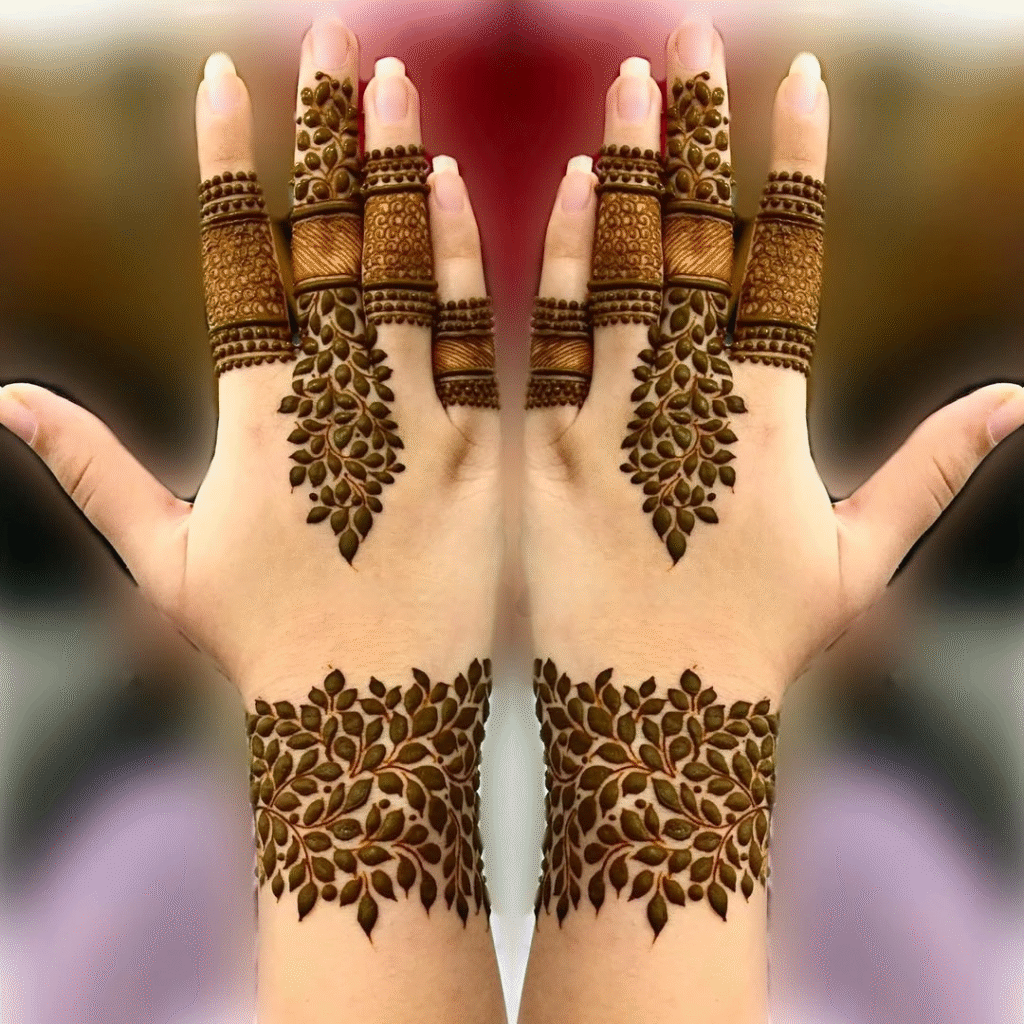
Leaf mehndi patterns are available in a great variety, as far as hand adornment is concerned. This can be embellished on the back of the hand, with both flowing vines and cascading leaves to make the bracelet look graceful.
In the case of the palms, the use of leaf trails along with the floral or paisley patterns are much adored creating a dense artistic appearance. Small leaf tendrils that have been used to finger-detail are popular with those who like fine details.
Other designs revolve around a central motif of leaves with the fillers around it and are more suitable to minimalists. You like colorful and fancy or even modest and plain, there is a botanical pattern to fit every mood and every occasion.
Foot Leaf-Based Designs in Art
Leaf mehandi does not remain on hands only– decorated feet with vegetal designs are very graceful and elegant. The most popular shoes are ankle bands with trailing leaves, toes that have been wrapped in vines, as well as those with leafy mandalas on the sole, which make a great choice when it comes to bridal and festive attire.
These fashions go in well with old shoes and anklets. A lot of fine lines and shading are often created by the artists to emphasize the shape of the feet making the designs striking and comfortable.
Leaf and vine designs may be traced along the sides of the feet to be given a long graceful look. Leaf henna on the feet is added to the attendee to provide a touch of nature whether one is at a wedding or a mere family get-together.
Table: Leaf Mehandi Design Types & Occasions
| Design Type | Description | Ideal Occasion | Complexity Level |
| Simple Leaf Trail | Minimalistic single vine with leaves | Daily wear, Eid | Easy |
| Leaf Mandala | Circular leaf patterns with detailing | Weddings, Parties | Moderate |
| Leaf & Flower Mix | Combination of leaves and flowers | Festivals, Karva Chauth | Intermediate |
| Bold Leaf Bands | Thick leafy bracelets on wrist/ankle | Engagement, Sangeet | Moderate |
| Full Hand Vine | Dense network of vines and leaves | Bridal, Special Events | Advanced |
The Design of Leaf Patterns in Nature
The aesthetic quality of leaf mehandi designs is that they are associated with nature. Existing plant leaves including mango leaves, ferns, eucalyptus, ivy are the inspiration of artists. All kinds of leaves have shapes, texture, and symbolism.
As an example, mango leaves symbolize prosperity and they are frequently employed in festive designs. The palm leaves and ferns are depicted as fresh and continuous. Through nature, the artist recreates delicate veins, jagged edges, and natural flow and amounts it to enthralling henna art.
This floral association allows improving the design aesthetics and, at the same time, giving it a cultural meaning so that the ornament becomes immensely meaningful.
Leaf Mehandi Art Implementation tips
The beautiful leaf mehandi patterns are done with patience and steady hand. You can begin with the drawing of the main vine or stem and then draw leaves of different sizes to achieve a natural appearance. Learn to draw lines and a veil to each leaf.
Fine-tipped cones are used to make fine lines and bold cones are used to fill in large areas. In order to avoid smudging, leave the henna to dry first and then wash. To obtain a darker stain, incubate the paste overnight and do not touch it with water during the next twelve hours.
Place your experimentally- put leaf motives on fingers, wrists, or ankles in creative effects. With practice and constant reading of botanical source books you will master this art form.
Service and support of Vibrant Designs
Long-term and bright leaf mehandi designs are dependent on proper aftercare. After the paste is dry and beginning to crack, scrape it off, instead of washing it off. Wipe an album of lemon juice and sugar in the design and then wipe off the paste to increase the intensity of colour.
The first day should not be washed with soap or water in the area. The stain may be intensified with the aid of natural oils such as coconut or mustard oil to ensure that the skin remains hydrated.
Avoid washing your hands or feet or exposing them to hard chemicals in order to keep the complex patterns in place for a few days. Under good treatment, your foliage motives will last a fortnight brilliantly and lovingly.
Leaf Mehandi Special Occasions Bride Mehandi
Leaf-based mehandi may be conventional and fashionable to brides and other people celebrating special occasions. Patterns on the bride tend to be cascading vines and fancy leafy mandalas covering the hands, arms, and feet.
These themes may be customized to fit the wedding theme or the dress of the bride. Bold leaf bands or anklekets are a favorite with the engagement ceremonies. Festivals such as Eid, Diwali, and Karva Chauht are associated.
With a great demand for artistic leaf designs because they reflect new start and prosperity. You are bringing a new, classy touch to your party by using botanical themes, and you are also accepting the beauty of nature that has always been there.
Conclusion
The designs of Leaf mehandi are an ideal combination of nature and art, and they have endless opportunities for self-expression. These patterns are elegant in their lines and symbolic significance, as they can be applied to all events: a wedding, a festival, or a simple party.
You can make your own special henna by using real images of leaves as inspiration and designing them in different ways and at different positions to achieve a special design. Do not forget to remember about aftercare tips to make the stain last long and enjoy the positive remarks which will come your way.
FAQs
Q: Can leaf motives be mixed up with other elements?
A: Yes, they are very well combined with flowers, paisleys, and schemes.
Q: How long does the stain last?
A: When taken care of, the designs last 1-2 weeks.
Q: Can they be used by beginners?
A: Simple leaf trails are simple to learn and are therefore recommended to both beginners and experts.
Q: Which occasions are ideal?
A: These designs are flexible, and they are suitable during a wedding, festivals, and day-to-day use.