
Today we discuss one of the designs that are quite popular among brides. And people who adore festivals like the unique lotus mehandi design because it is elegant and carries a symbolic meaning. Lotus as a symbol of purity and beauty provides a subtle touch to ancient henna paintings.
These designs are not generic like floral designs but are more centred around symmetry. And elaborate detailing and are thus ideal when it comes to a wedding or a party celebration. The use of lotus motifs in mehandi can not only make it look better but also relate to the cultural traditions, which also reflects prosperity and harmony.
Lotus details are usually used together with paisley, vines, and geometric designs to form personalized designs that are not ordinary. The lotus mehandi designs are of a special lotus kind and can be done on hands, feet, and even arms with a mix of contemporary styles and traditional appeal. These designs are a beautiful and significant option to anyone who wants to impress at weddings or at any festival, enjoying the splendid art, culture, and personal style.


History and Cultural Significance
Lotus flower is deeply rooted in South Asian culture and it is commonly associated with spiritual development, purity and divine beauty. Mehandi which is worn to decorate the hands is inspired by these motifs which relates modern designs to traditions that date back centuries.
The lotus mehandi designs have now developed into better elaborated and detailed designs that have replaced the plain flowery designs to complicated ones covering the palms, back of the hands and feet. Every petal and vine has got some artistic meaning which is a blessing, happiness, and wealth when it comes to special events such as marriage and festivals.
Lotus inspired designs have been embraced by the brides over the years not only because of their beauty but also due to the good energy that it imparts. Incidentally, intricate lotus mehandi patterns are on the rise during cultural festivals like Diwali, Eid and Karva Chauth because of the combination of spirituality with celebrations. Adopting such designs, it is possible to respect the tradition and show the personality with the help of creative henna designs.
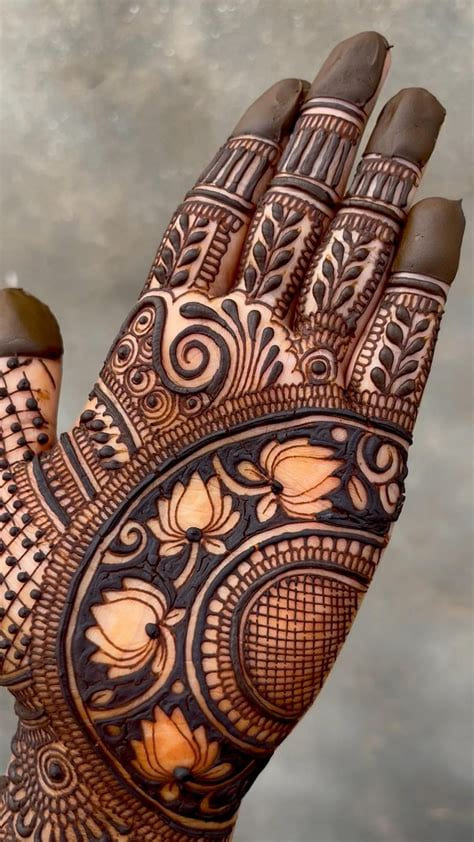
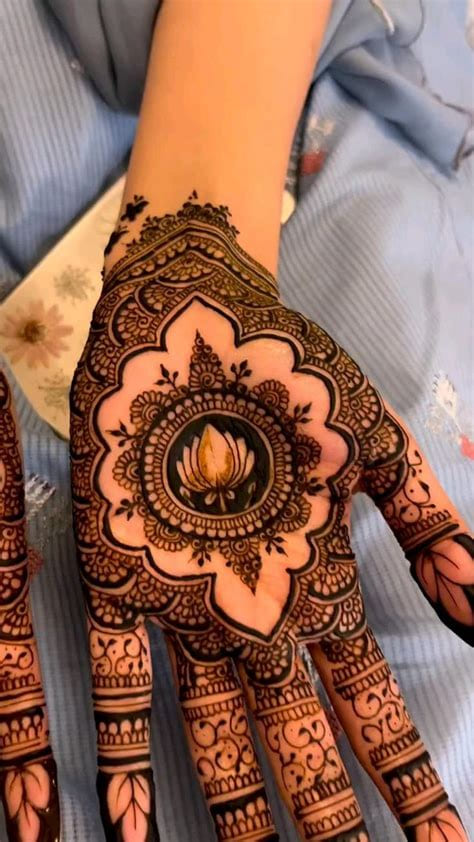
The Contemporary Trends of Lotus Mehandi Designs
The designs of the lotus mehandi today are a combination of the old designs with new art. Minimalistic and detailed patterns are both on the trend, serving the tastes of various preferences. Artists currently utilize negative space, adding geometric elements, and blends, therefore, every design is unique.
There are brides who like the lotus full-hand compositions, and those who choose the lotus designs on the wrist or fingers, which look fragile but elegant. Fusion styles tend to incorporate lots of lotus, mandalas, vines or abstracts as a new take on the classical motifs. The color differences with the help of henna such as deep brown, red, or maroon contribute to the visual richness of the design.
The most significant inspirations are sources of social media and bridal magazines, which demonstrate various patterns and customization ideas. Finally, the contemporary lotus mehandi designs offer a chance of expressing oneself but still retaining traditional culture, which is perfect in any wedding ceremony, party or in fashion conscious mehandi lovers.
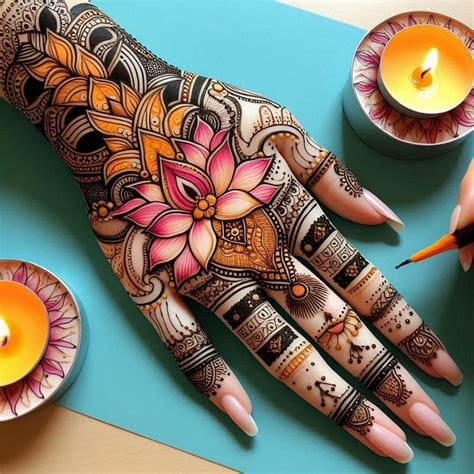
Bridal Lotus Mehandi Designs
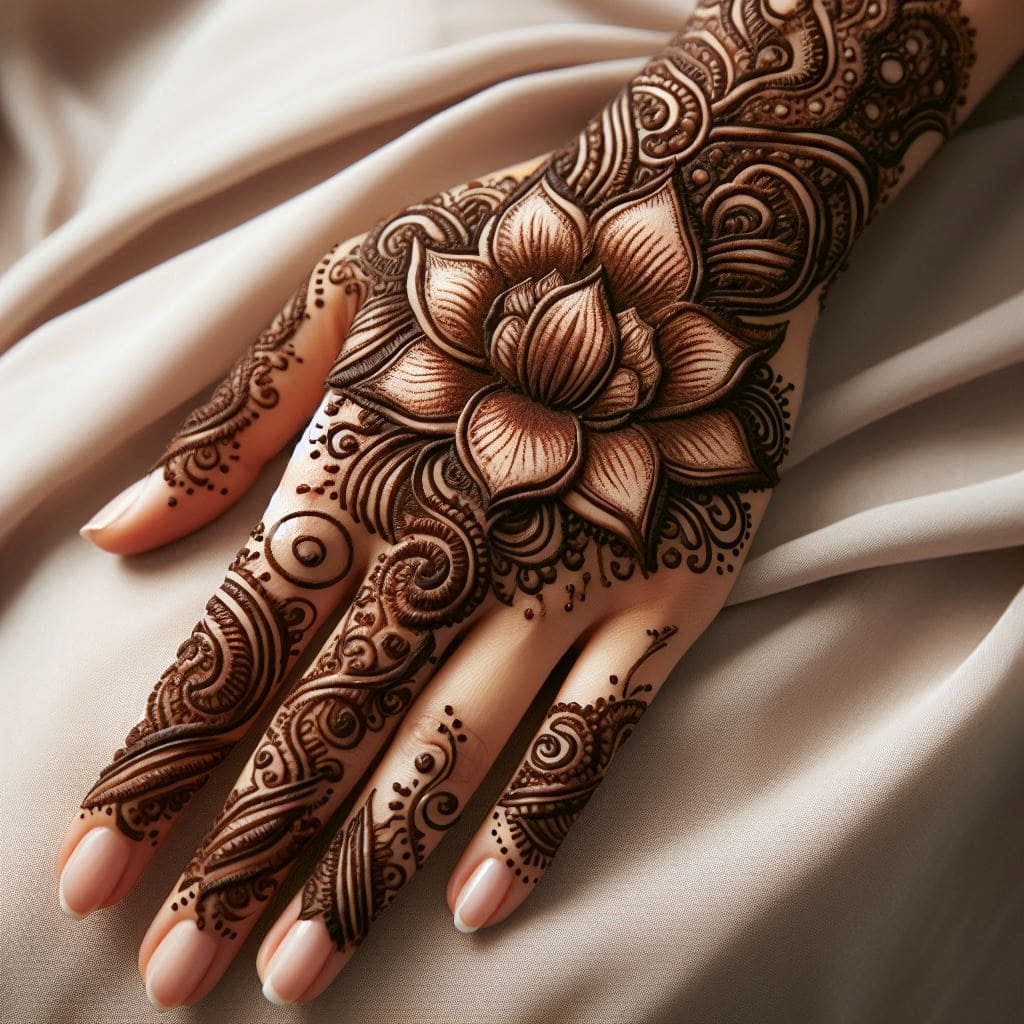
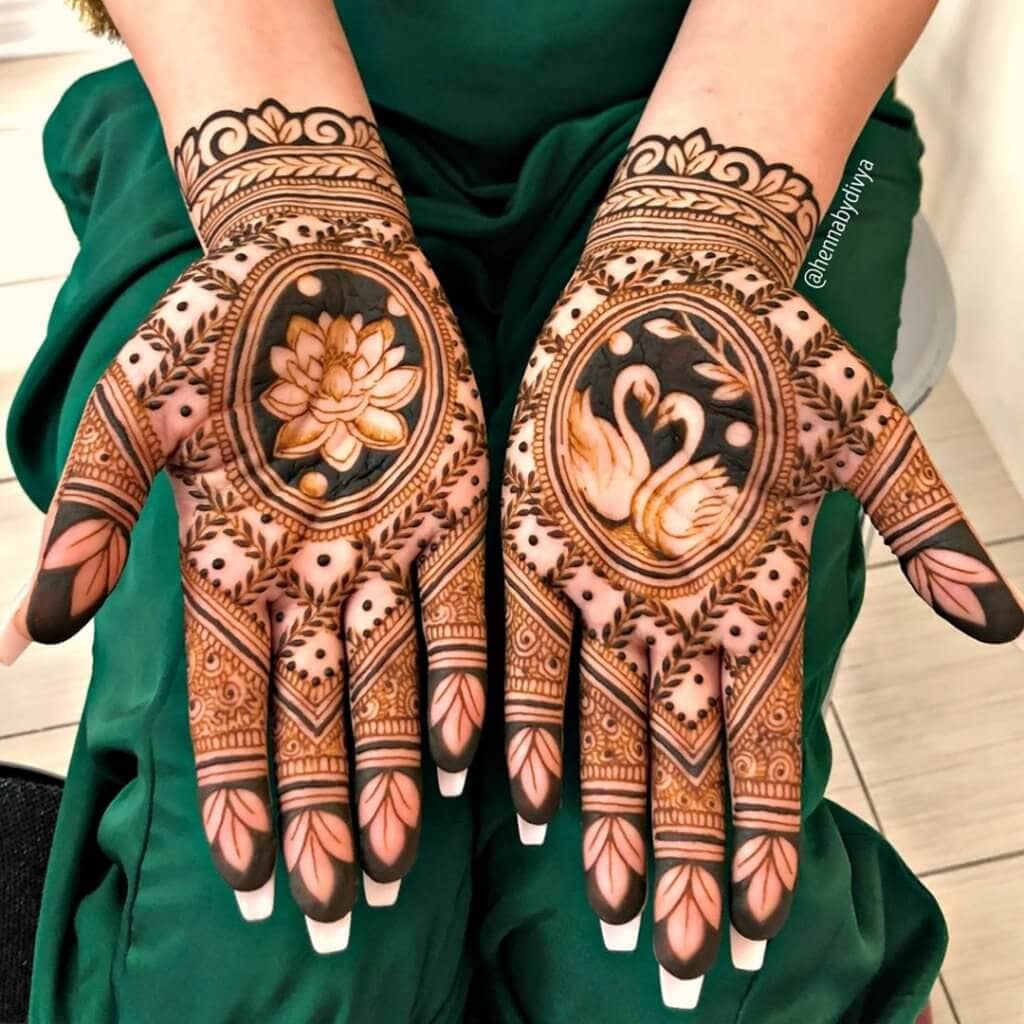
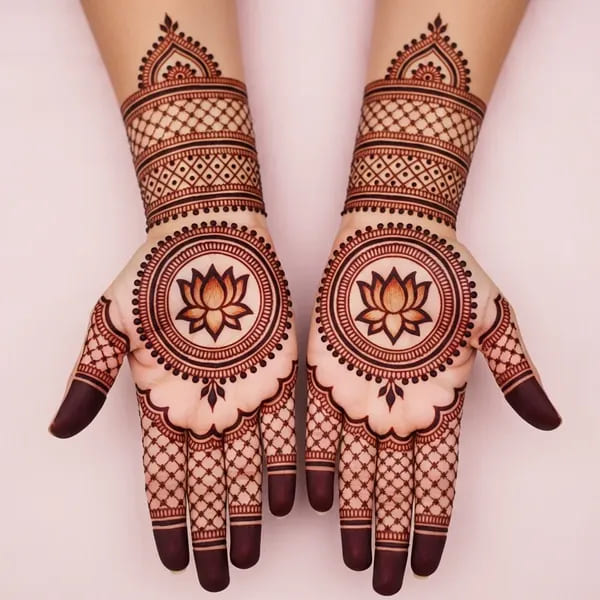
Lotus mehandi designs are becoming popular among the brides with the need to match their wedding outfit. The palm, and back of hands are frequently covered with large and complex lotus designs, which represent beauty and wealth. Designers are also concerned with symmetrical patterns and elaborate use of petals to add the bridal appearance. Peacocks, paisley or geometric patterns can be used along with lotus designs.
Other brides are more minimalistic, with one large lotus on the palm and some simple accent on fingers and wrists. The designs are not only beautiful to the bridal jewelry but also leave memorable impressions of the hands to use in photographs.
Besides, the cultural interpretation of the lotus design provides a spiritual value to the bridal mehandi. The decision to use lotus-inspired patterns will guarantee the combination of classic beauty and contemporary art and therefore it will always be a good fit to the celebration of a wedding and other related events.
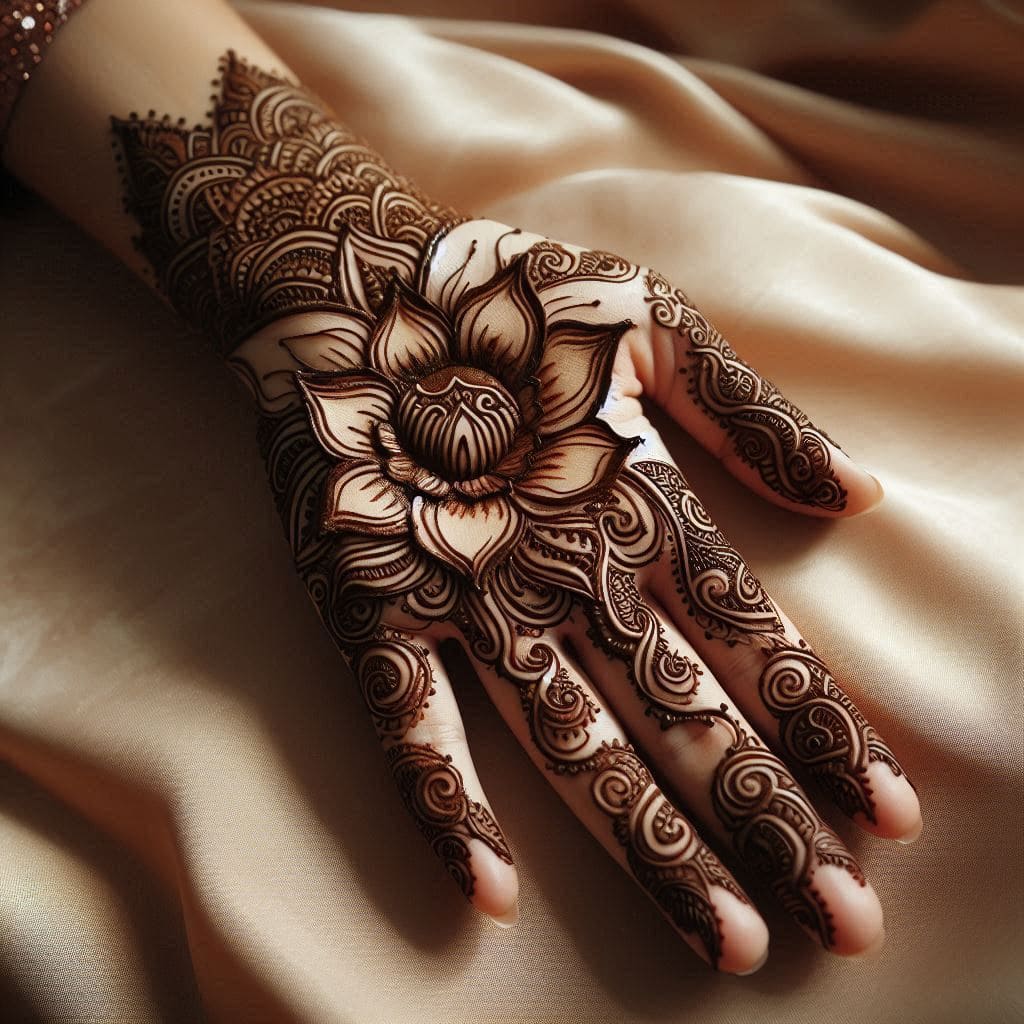
Festival Lotus Mehandi Designs
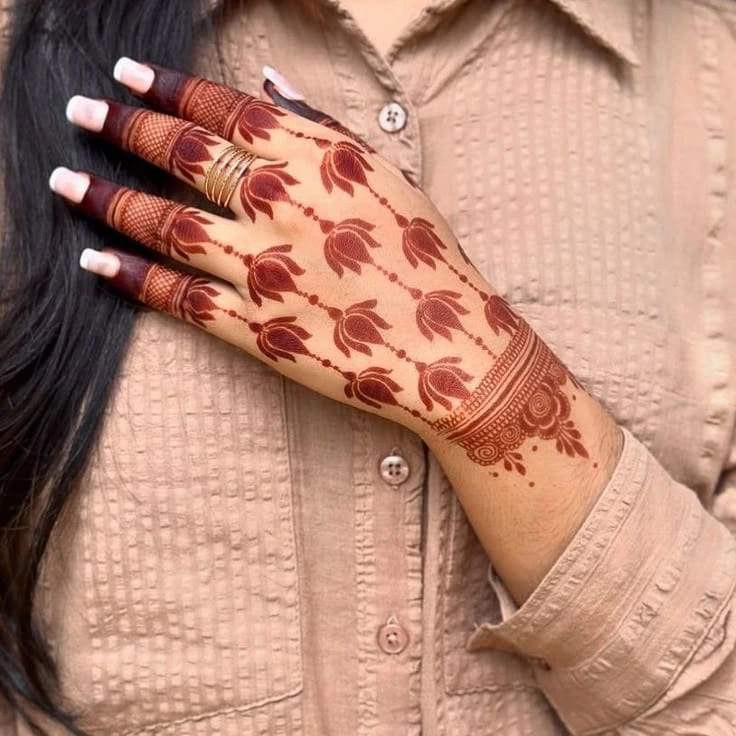
Lotus mehandi designs are famous at such festivals as Diwali, Eid, and Karva Chauth. Festival designs are also smaller but elaborate, with different designs that are appropriate to be worn by both hands and feet as opposed to bridal designs. The creative variations that artists employ include lotus clusters, half-hand or finger-tip details.
The role of these patterns is to be entertaining and yet convenient to use during a holiday, such as cooking or doing rituals. The use of lotus flowers and minor patterns such as stars, dots or vines adds to the festive nature. The designs are bright and fresh in henna colors that really portray the spirit of a very joyful festival.
Visitors to the festival are fond of designs that are not too sophisticated but at the same time elegant, and the lotus designs will meet such needs perfectly. They also provide the chance to demonstrate artistic skills or experiment with the modern style without violating the traditional aesthetic of the culture of the festival, which means that they will be a popular option among the fans of henna on festivals.
Spares Lotus Mehandi Designs
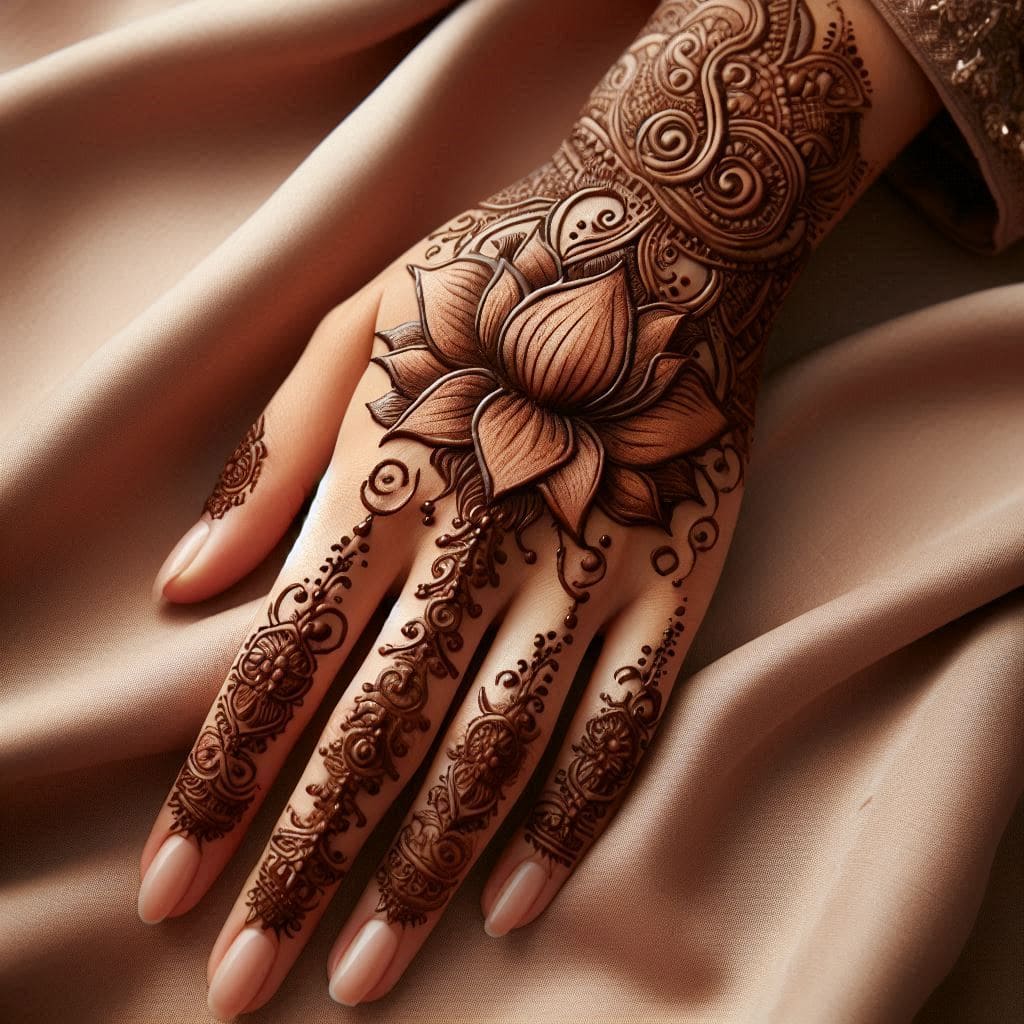
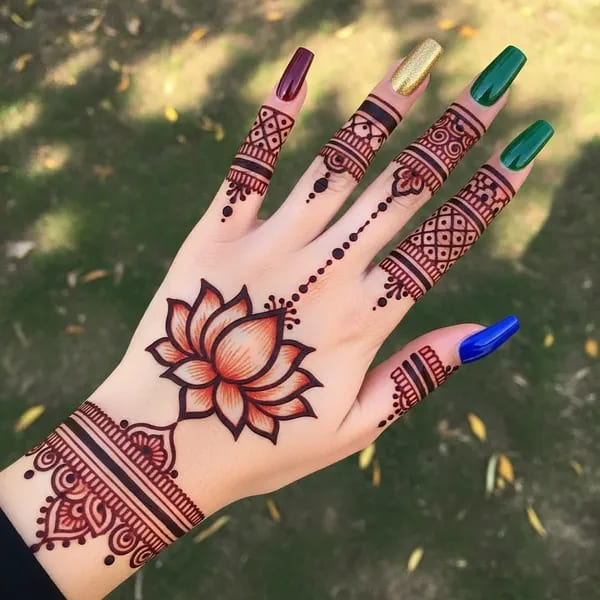
Lotus mehandi designs are also minimalistic and best suited to those who have a taste that does not lend to extravagance in design. These designs are based on either a lotus flower or a couple of lotus flowers that are usually accompanied by fine lines, dots or geometric patterns. They can be used in informal occasions, parties in the office, or even simple celebrations because they give the hands a classy appearance, without being too heavy.
Minimalistic designs are also less complex to implement and maintain and hence are feasible to people who have tight schedules. The lotus motifs placed by artists are usually on fingers or wrists or tiny parts of the palm and the entire appearance is very neat and elegant.
The austere design is emphasized using few colors, and these have made the lotus look elegant. These designs reveal that simple patterns of lotus can be very elegant and thus can be used in many other occasions than weddings and festivals.

Lotus Mehandi Designs on Hands
The lotus mehandi designs are mostly done on hands. Artists make patterns on the hands all the way, including palms, to wrists and fingers. Some of the techniques used are overlaying the petals, adding vines, and adding complementary shapes like paisleys, mandalas or geometrical shapes.
In other designs, negative space is applied in order to highlight the lotus flower and therefore, it becomes the central point. Lotus motives can be done to suit hand shape and preference, as well as be varied in size and location. Also, artists tend to complement the design with jewelry and clothing, which results in a visual harmony.
Hand lotus mehandi designs can be elaborately detailed and artistic whether applied in case of a bridal ceremony or during a festive event. They are a union of beauty, tradition and uniqueness and hence are preferred by individuals who wish to create a visual impression with the henna.
Lotus Feet Mehandi Designs
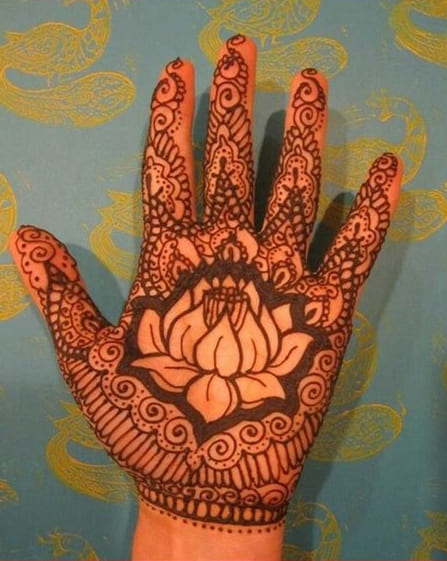
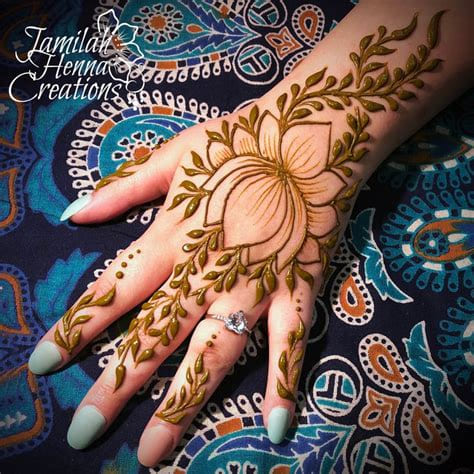
Lotus mehandi on feet is also used to be applied and this is particularly applied during weddings and cultural festivals. Patterns on the foot can comprise a central lotus on the instep, with vines, paisleys or dotted border. Other designs reach up to the ankles which make the design look nice and match footwear or the conventional wear.
The lotus adornments on feet mean to be grounded, prosperous, and beautiful and add to the overall look of the wearer. Artists tend to adopt designs that are both detailed as well as comfortable so that they can be presentable and have long longevity.
The foot lotus mehendi patterns are especially popular among brides, who want to give a nice, but significant touch to their wedding dress. The patterns also provide a sense of creative freedom where the artists can play around with the placements, sizes and complexity to provide a unique and memorable design.
Motifs of Lotus and Other
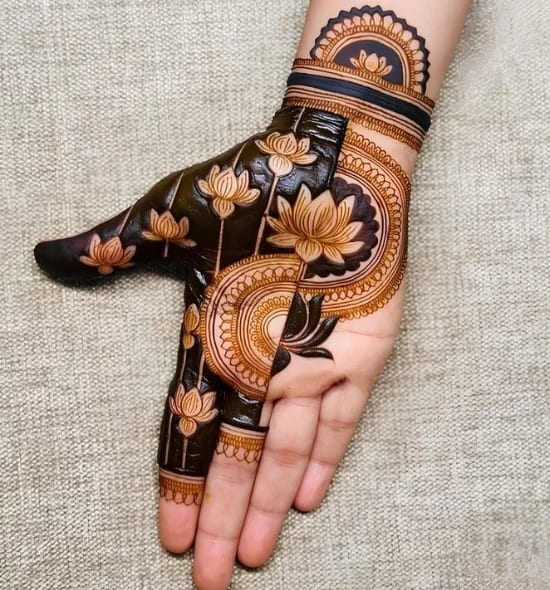
Another type of lotus mehandi patterns can be beautifully mixed with such motifs as peacocks, mandalas, paisleys, and geometric patterns. The result of this merging is the depth, visual interest, and detailing. Artists can either enclose a central lotus with extensions in forms of vines or may combine several lotus flowers with conventional objects in a balanced composition.
The application of diverse shapes, textures, and negative space makes the design not look crowded. The lotus themes are combined with smaller adornments in the form of dots, stars, leaf patterns to add to the overall exquisiteness.
These designs are flexible, which suits the simplicity and the ornate tastes. Bridal, festive or casual events, a combination of lotus with complementary patterns brings about innovative designs that preserve the cultural value and also reflect the modern art and creativity.
Recommendations to sustain Lotus Mehandi Designs
Lotus mehandi designs need to be vibrant; therefore, observe good aftercare practices. Washing hands or feet immediately after application should be avoided to give the henna time to darken in colour. Lemon-sugar mixture application to the stain increases the stain life and darkens the stain.
There are detailed patterns which are safeguarded by wearing gloves or by covering the design during chores. Fades are avoided by moisturizing with natural oils such as coconut or olive oils. Fresh and quality henna is a better choice. Do not use harsh soaps or chemicals which will damage the design.
Adhering to these tips, it is possible to obtain long-lasting lotus mehandi designs that are clear and excellent in terms of being used in wedding photography or at a festival celebration. By ensuring that the artwork is well taken care of, it does not only conserve the beauty of the work of art but also protects the cultural and artistic value of the lotus motif.


Fashionable Colours and Henna Varieties
Classic henna colors start with brown and go to very deep maroon with emphasis on lotus patterns. The new adaptations are in different colors of red, orange or dark brown to provide a better look to the design. It is also desirable to use natural henna that is skin friendly and natural color. Other artists apply jagua, or chemical free henna, in other colors, particularly on sensitive skin.
The right henna will also offer a vibrant and long-lasting design that matches the clothing and jewels. Shade and depth of colour may be changed depending on the method of application, length of duration and aftercare, and this can be tailored to the individual.
Minimalistic or opulent, the right color is the accentuator of the elegance and symbolism of the lotus motif, it is the best choice to adorn the wedding and festivals. Choosing quality henna helps in making the skin healthier and improving the overall design outcome and makes the lotus mehandi art more beautiful.

Selecting the Proper Design of your Event
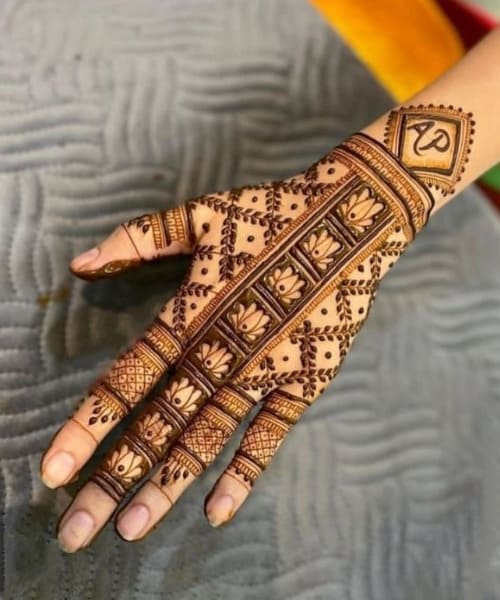
The kind of lotus mehandi design chosen is based on the event, dress and individual taste. Bridal settings should have full-hand or foot designs, but festivals can demand medium or minimal designs. Think about colors of attire, jewelry, and theme in general to make sure the mehendi design will fit.
In case of a formal meeting, the elaborate patterns with elaborate lotus petals can be used, whereas in the case of an informal one, the simple patterns can be utilized. It is customizable best of all, size, location and patterns can be adjusted to fit personal tastes.
It is possible to take inspiration in terms of trends in bridal magazines, social media, or cultural exhibitions. A well-thought-out selection will help the lotus mehandi pattern to make an overall appearance of the wearer more impressive, combine both the traditions and the innovations, and create an unforgettable argument to the friends and relatives in the case of any special events.

Conclusion
Lotus mehandi designs are unique and a perfect combination of tradition, culture and modern art. They deliver sophistication, symbolism and personalization in the form of weddings to feast celebrations. Minimalistic or in-depth, hand or foot-centered, every design serves to promote the look of the wearer and find a way to respect cultural origins.
Knowing trends and mixing motifs, and selecting the appropriate design in every situation allow every person to attain a classic and significant mehandi look. Care and quality henna will also guarantee bright and long designs.
The application of unique lotus mehandi art will provide an opportunity to enjoy the beauty, creativity and heritage all in one and thus, make every occasion a memorable one and a sight worth viewing.
FAQs
Q1: The duration of a lotus mehandi design?
A: Lotus mehandi usually takes 7-14 days to dry depending on the quality of henna, the type of skin and the maintenance.
Q2: Is it possible to make lotus designs with minimalistic designs look elegant?
A: Yes, minimalistic designs emphasize the beauty of the lotus flower and provide a classy appearance that is befitting informal occasions.
Q3: Is lotus mehandi appropriate during festivals?
A: Absolutely. The pattern of lotus can be altered to festive celebrations with smaller and finer prints on hands and feet.
Q4: How does one make a darker lotus mehandi design?
A: Use lemon-sugar mixture upon application and do not wash the part immediately in order to get darker color.
Q5: Does lotus mehandi have any wedding customization?
A: Yes, size, location, and other motifs can be changed by the designers to design a bridal lotus mehandi with their own preferences.